

John Strelecky

In his search for the meaning of life, US author John Strelecky landed a global bestseller with his first book “The Café at the Edge of the World”, which has been followed by six more to date. After several years as a strategy consultant for companies, he wrote the story of the “Café on the Edge of the World” after a trip around the world – as a completely inexperienced author until then. Initially self-published, the book began its triumphal march around the world and has now been translated into 43 languages. The success of his first book inspired him to continue writing, including numerous café sequels, Safari of Life, the Big Five for Life series and many more. With his Big Five for Life seminar concept, John Strelecky aims to help people develop their life or business goals. A central idea here is recognizing one’s own purpose of existence (PDE) and reconciling this with work.
Geoffrey West
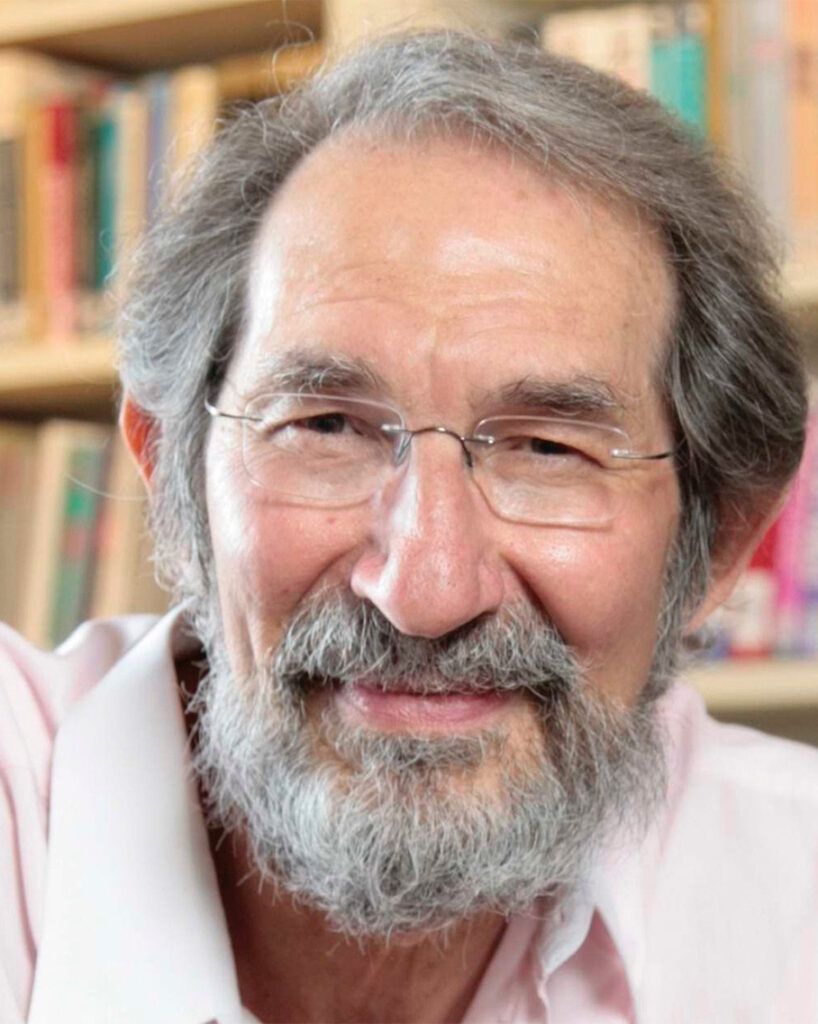
Geoffrey West is a theoretical physicist and pioneer in the field of complexity science – the science of systems and networks. The physicist is a professor at the Santa Fe Institute, of which he was president from 2005 to 2009. He is one of only around ten Senior Fellows at the Los Alamos National Library. The complexity researcher is known for his investigations into the origins of scaling laws in biology, from the cell to organisms and their metabolism to ecosystems, which he has extended to organizations, companies, the economy and cities. He thus discovered the simple mathematical law that governs the properties of cities and shows that many aspects of a city can be derived from the size of its population and how similar the laws of organisms and companies are. He has received numerous internationally renowned prizes for his research. In 2006, Time magazine ranked him among the 100 most influential people in the world.
Li Jiang
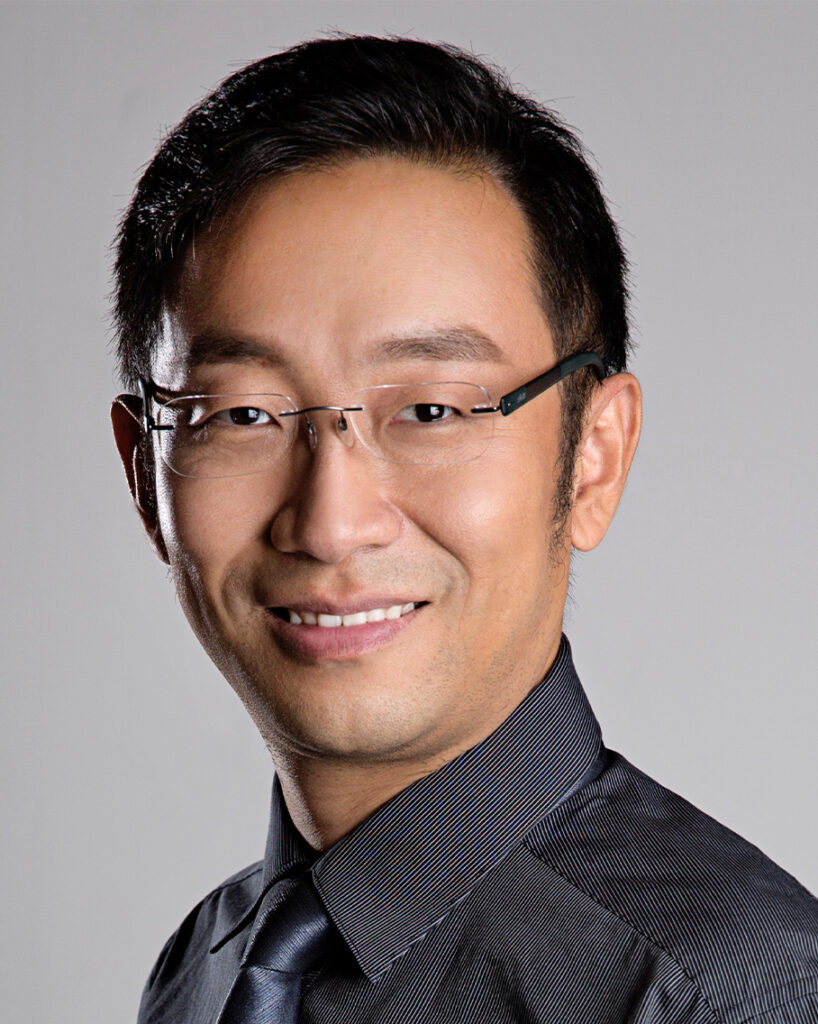
Dr. Li Jiang is the director of the Stanford AIRE program (AI, Robotics and Education). He has been conducting research in the field of robotics and AI for many years. His passion and commitment make him a driving force in AI research and an important voice in the development of future technologies. His current research focuses on how AI and robotics technologies will impact our education system and how we need to adapt our education system to meet the coming era of robotics and AI. His course “AI, Robotics and Design of Future Education” is the first course at Stanford University to focus on this multidisciplinary area of AI, robotics, education and design innovation. Li Jiang received the highest honor of “Best of Innovations” winner at the 2014 Consumer Electronics Show (CES) Innovation Awards and the highest honor of “Best of the Program Award” winner at the National Lincoln Design Competition. He was also a member of the evaluation committee for the CES Innovation Award.
Gernot Wagner
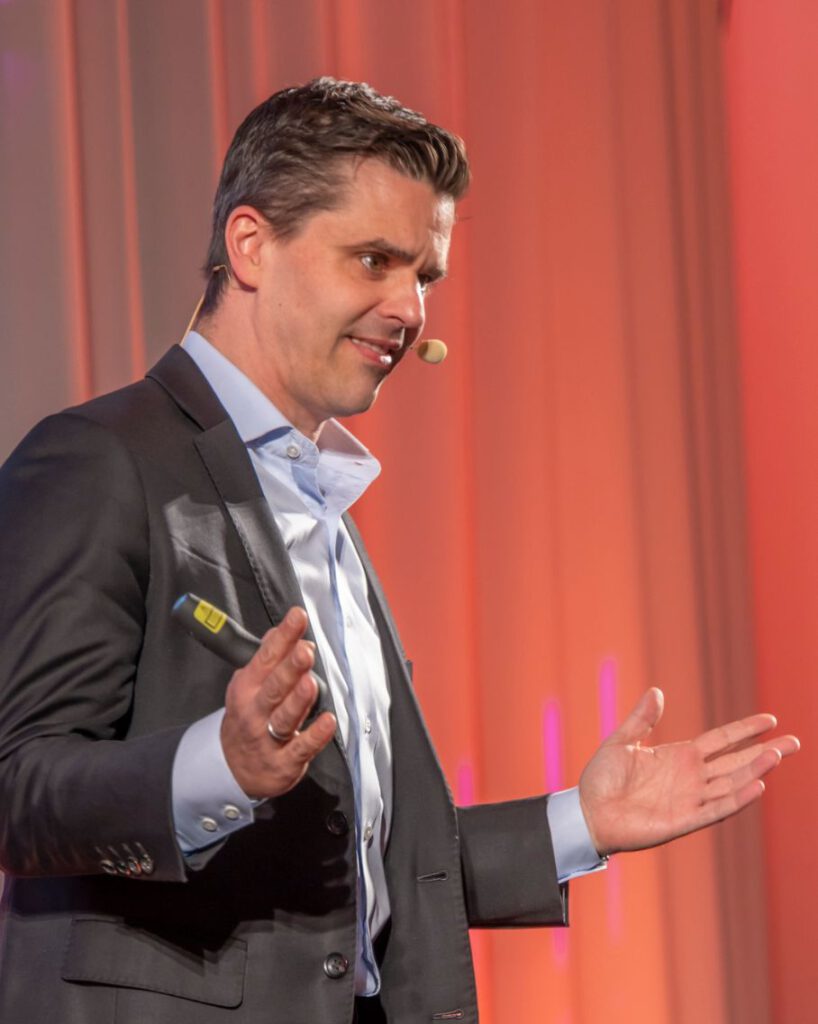
Gernot Wagner, author of “Geoengineering: The Gamble”, presents realistic scenarios and pathways for a geoengineered future to achieve a balanced climate policy mix. He currently teaches at Columbia Business School and previously held positions as an adjunct clinical professor in the Department of Environmental Studies at New York University and as an adjunct professor at NYU Wagner School of Public Service. Gernot was the founding director of the Solar Geoengineering Research Program at Harvard University, a research fellow at the Harvard John A. Paulson School of Engineering and Applied Sciences, and a lecturer in environmental science and public policy at Harvard University. With eight years as an economist at the Environmental Defense Fund, including a role as senior chief economist, he offers fresh, actionable solutions to climate change while appealing to diverse audiences. Gernot has contributed to various publications including Bloomberg Green, the Wall Street Journal and The Guardian, benefiting from his experience on the editorial board of the Financial Times. He holds academic degrees from Harvard University and Stanford University, including a joint bachelor’s degree magna cum laude in environmental science, public policy and economics, and master’s and Ph.D. degrees in political economy and government. © epmedia advertising agency
Jeremy Gutsche
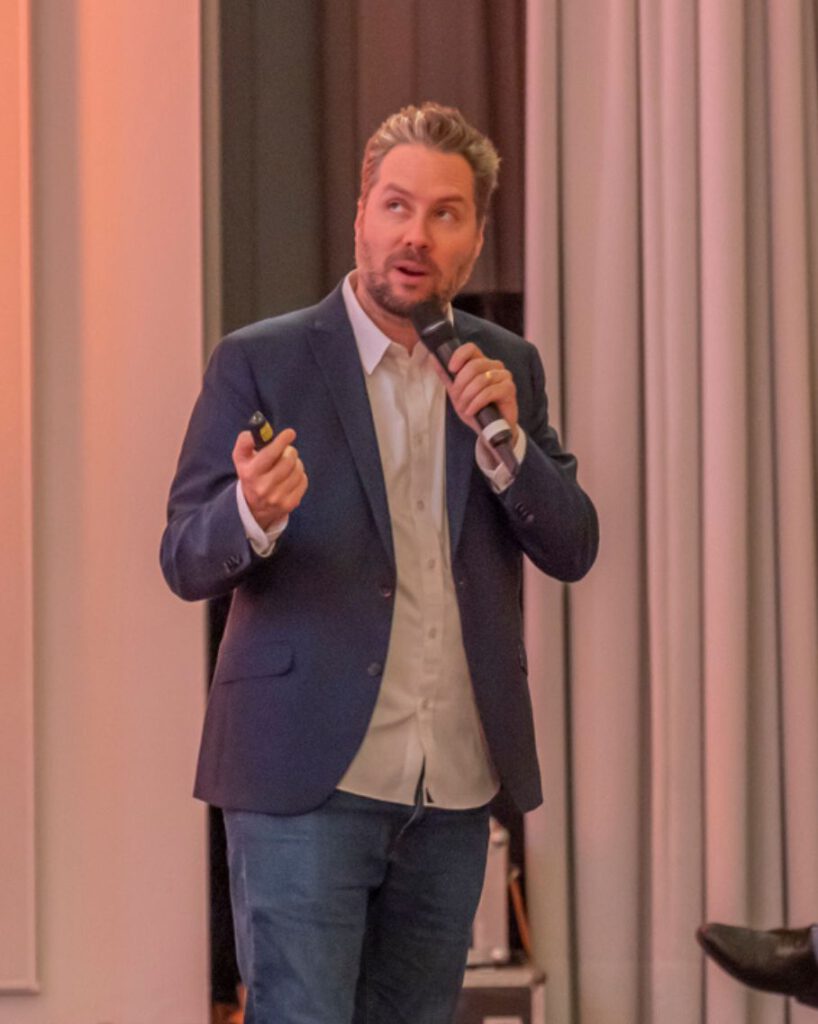
The Canadian visionary, entrepreneur and inspirational speaker who is shaping the future. As CEO of Trend Hunter, he leads a digital platform that uncovers future trends in marketing, technology and more. Gutsche’s career includes advising CEOs and iconic brands such as Coca Cola and NASA to drive innovation at scale. He heads the annual Future Festival, where industry leaders come together to anticipate the future. Gutsche’s rousing speeches combine corporate strategy with his lively energy and inspire innovation. His books such as “Better and Faster” have inspired over 20 million readers and reached top positions in the Amazon charts. Awards such as the Cisco Innovation Excellence Award and the BDC Young Entrepreneur of the Year recognize his influence. With an MBA from Queen’s University and extensive media coverage in publications such as Forbes and CNN, Jeremy Gutsche is a visionary who is shaping the future and inspiring global change. © epmedia advertising agency / Sandra Oblak
Stéphane Garelli
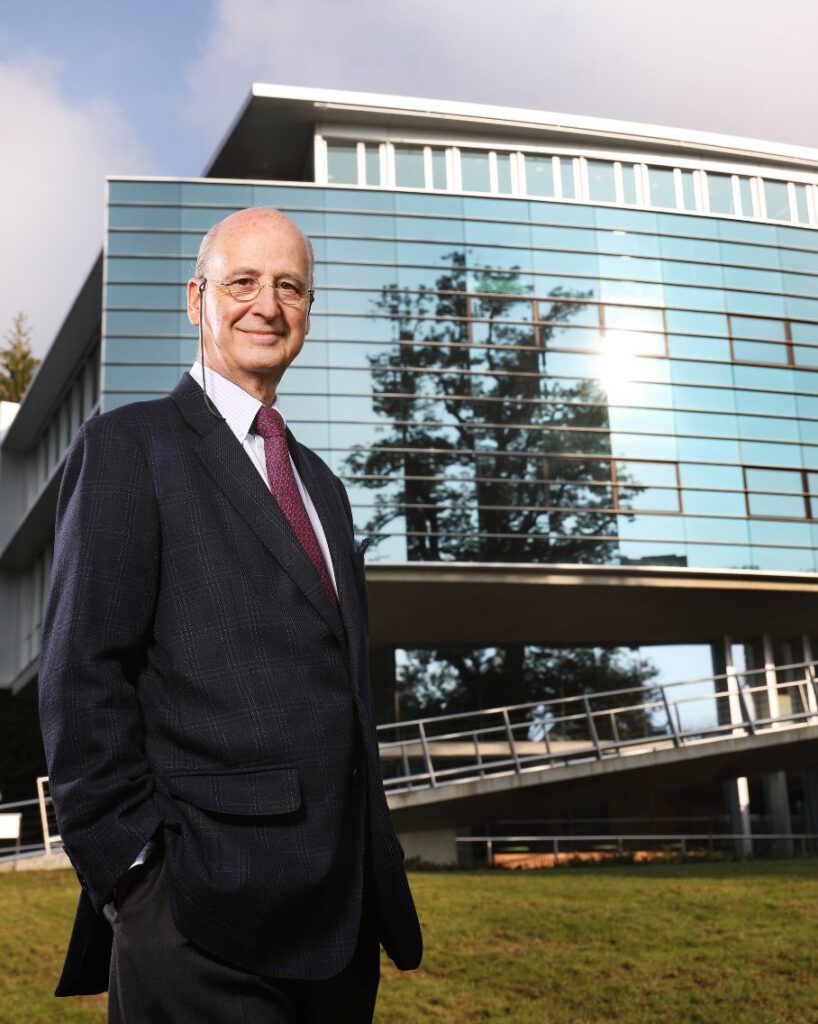
Stéphane Garelli is a globally recognized authority in the field of competitiveness and has been a pioneer in this field for over 25 years. Garell is Professor Emeritus of Global Competitiveness at IMD Business School and the University of Lausanne, Switzerland, and founder of the World Competitiveness Center. He was previously Chairman of Sandoz Financial and Banking Holding and a member of the Board of Directors of Banque Edouard Constant. Garelli was Managing Director of the World Economic Forum and the annual meeting in Davos for many years. For twelve years, he was also a permanent advisor to Hewlett-Packard Europe and, among other things, President of Le Temps, the leading French-language Swiss newspaper. He is the bestselling author and publisher of the annual World Competitiveness Yearbooks, which assess the competitiveness of nations. Garelli is the author of numerous articles and publications on the global competitiveness of companies and nations and is a columnist for several newspapers and magazines.
Franca Parianen Lesemann

Franca Parianen Lesemann is a neuroscientist, successful science slammer and bestselling author. Her work focuses on the big questions of living together. She worked at the Max Planck Institute for Human Cognitive and Brain Sciences in Leipzig in the Social Neuroscience Group and researched the origin and structure of human coexistence at the level of neurons and hormones at the Helmholtz Institute of Utrecht University. Since 2014, the Berliner-by-choice has also been active as a science slammer, slamming at medical congresses, theaters and trade fairs. Franca Parianen is on the trail of social issues from a neuroscientific perspective and, as a science communicator, makes them comprehensible to the layperson. Knowledgeable and fast-paced, it explores the origins and structure of human coexistence and offers fascinating insights into neuroscience. She shows what shapes our behavior and transfers her findings on social driving forces and communication to day-to-day politics and the digital world.
