

Gernot Wagner
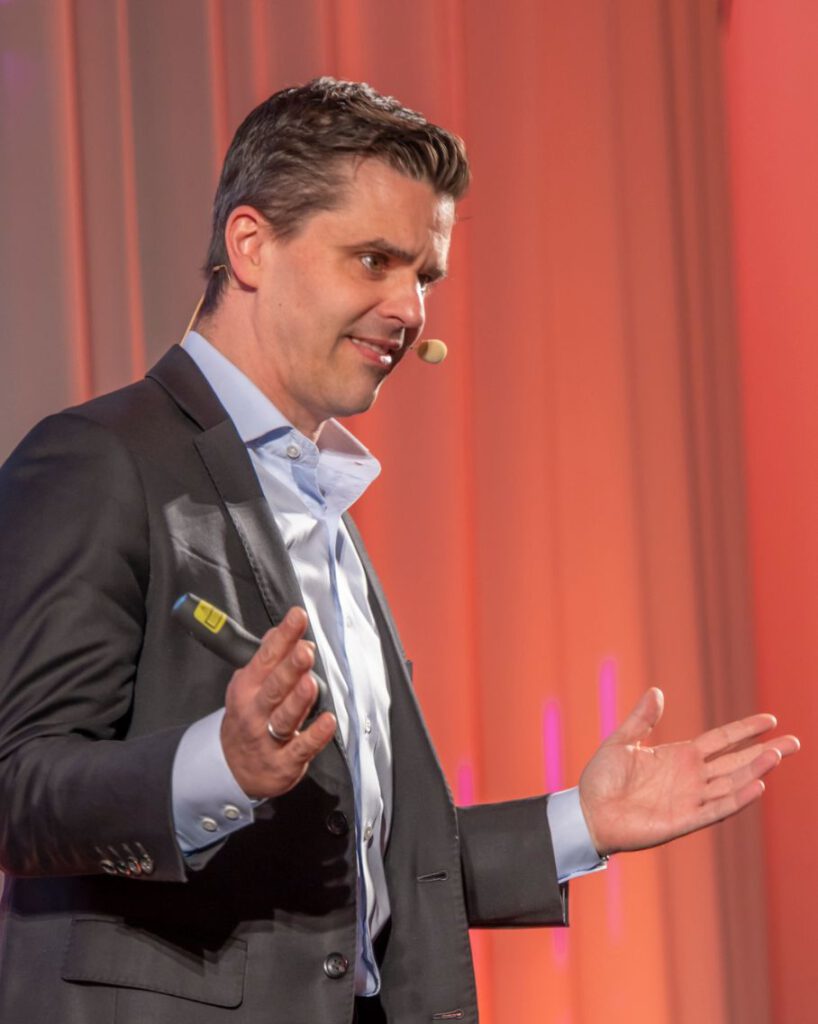
Gernot Wagner, author of “Geoengineering: The Gamble”, presents realistic scenarios and pathways for a geoengineered future to achieve a balanced climate policy mix. He currently teaches at Columbia Business School and previously held positions as an adjunct clinical professor in the Department of Environmental Studies at New York University and as an adjunct professor at NYU Wagner School of Public Service. Gernot was the founding director of the Solar Geoengineering Research Program at Harvard University, a research fellow at the Harvard John A. Paulson School of Engineering and Applied Sciences, and a lecturer in environmental science and public policy at Harvard University. With eight years as an economist at the Environmental Defense Fund, including a role as senior chief economist, he offers fresh, actionable solutions to climate change while appealing to diverse audiences. Gernot has contributed to various publications including Bloomberg Green, the Wall Street Journal and The Guardian, benefiting from his experience on the editorial board of the Financial Times. He holds academic degrees from Harvard University and Stanford University, including a joint bachelor’s degree magna cum laude in environmental science, public policy and economics, and master’s and Ph.D. degrees in political economy and government. © epmedia advertising agency
Jeremy Gutsche
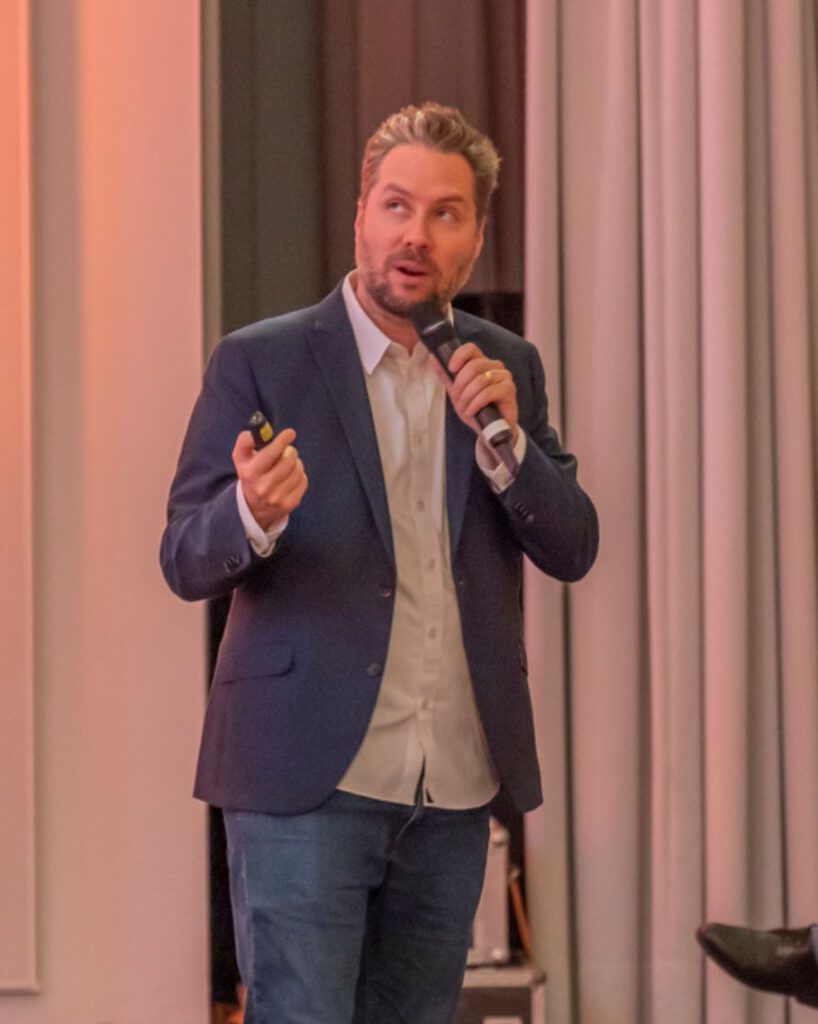
The Canadian visionary, entrepreneur and inspirational speaker who is shaping the future. As CEO of Trend Hunter, he leads a digital platform that uncovers future trends in marketing, technology and more. Gutsche’s career includes advising CEOs and iconic brands such as Coca Cola and NASA to drive innovation at scale. He heads the annual Future Festival, where industry leaders come together to anticipate the future. Gutsche’s rousing speeches combine corporate strategy with his lively energy and inspire innovation. His books such as “Better and Faster” have inspired over 20 million readers and reached top positions in the Amazon charts. Awards such as the Cisco Innovation Excellence Award and the BDC Young Entrepreneur of the Year recognize his influence. With an MBA from Queen’s University and extensive media coverage in publications such as Forbes and CNN, Jeremy Gutsche is a visionary who is shaping the future and inspiring global change. © epmedia advertising agency / Sandra Oblak
Stéphane Garelli
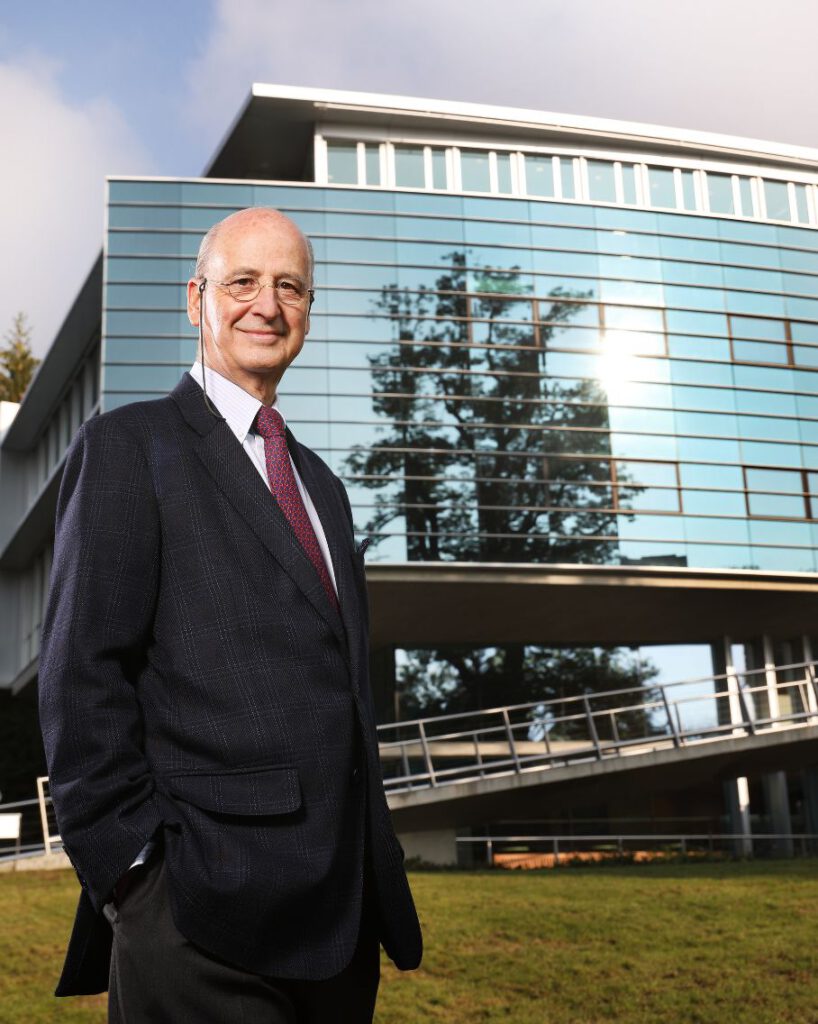
Stéphane Garelli is a globally recognized authority in the field of competitiveness and has been a pioneer in this field for over 25 years. Garell is Professor Emeritus of Global Competitiveness at IMD Business School and the University of Lausanne, Switzerland, and founder of the World Competitiveness Center. He was previously Chairman of Sandoz Financial and Banking Holding and a member of the Board of Directors of Banque Edouard Constant. Garelli was Managing Director of the World Economic Forum and the annual meeting in Davos for many years. For twelve years, he was also a permanent advisor to Hewlett-Packard Europe and, among other things, President of Le Temps, the leading French-language Swiss newspaper. He is the bestselling author and publisher of the annual World Competitiveness Yearbooks, which assess the competitiveness of nations. Garelli is the author of numerous articles and publications on the global competitiveness of companies and nations and is a columnist for several newspapers and magazines.
Franca Parianen Lesemann

Franca Parianen Lesemann is a neuroscientist, successful science slammer and bestselling author. Her work focuses on the big questions of living together. She worked at the Max Planck Institute for Human Cognitive and Brain Sciences in Leipzig in the Social Neuroscience Group and researched the origin and structure of human coexistence at the level of neurons and hormones at the Helmholtz Institute of Utrecht University. Since 2014, the Berliner-by-choice has also been active as a science slammer, slamming at medical congresses, theaters and trade fairs. Franca Parianen is on the trail of social issues from a neuroscientific perspective and, as a science communicator, makes them comprehensible to the layperson. Knowledgeable and fast-paced, it explores the origins and structure of human coexistence and offers fascinating insights into neuroscience. She shows what shapes our behavior and transfers her findings on social driving forces and communication to day-to-day politics and the digital world.
